Monumental history
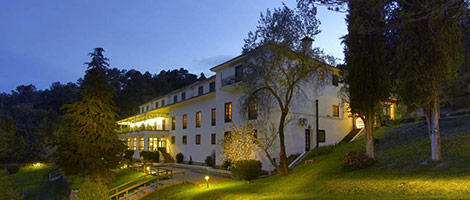
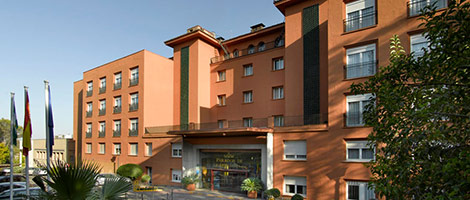
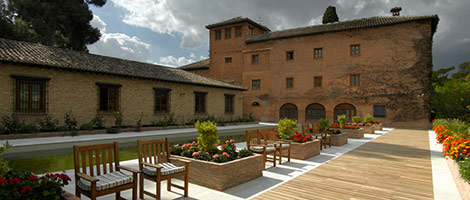
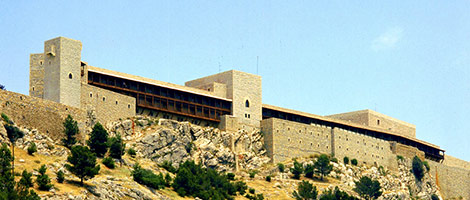
Granada, Carmona, Jaén and Úbeda put historic architecture and landmark settings at the center of the stay.

Moorish cities, white villages, mountain landscapes and a deep concentration of historic Paradores.
Andalusia is one of the richest regions for building a multi-Parador route. Granada, Córdoba, Jaén, Úbeda, Carmona and Ronda connect monumental cities with hilltop fortresses, while coastal Paradores add a different rhythm along the Mediterranean and Atlantic.
Andalusia is large enough to support several completely different Parador journeys. The strongest plan is usually not to collect as many properties as possible, but to choose a travel theme — monumental cities, white towns, coast or landscapes — and let the Paradores shape the route.
Granada, Carmona, Jaén and Úbeda put historic architecture and landmark settings at the center of the stay.
Ronda and Arcos de la Frontera are especially strong when dramatic townscapes and views matter as much as the room.
Málaga Gibralfaro, Nerja and Mojácar create a coastal route that feels very different from inland Andalusia.
Cazorla, Antequera, Mazagón and Málaga Golf work well when the trip needs nature, open space or a slower day between major cities.
The Andalusian collection ranges from one of the most sought-after historic Parador settings in Spain to relaxed coastal and countryside properties. These are useful ways to narrow the choice.
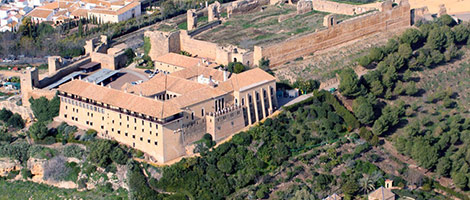
Start with Granada for its setting inside the Alhambra complex, Carmona for fortress atmosphere, Jaén for its hilltop castle setting, or Úbeda for a palace stay in a Renaissance city.
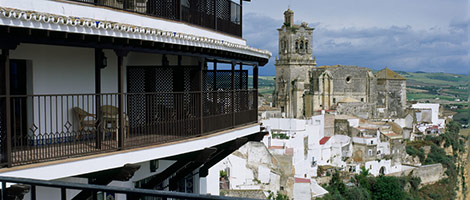
Ronda overlooks the gorge at the heart of one of Andalusia’s best-known hill towns, while Arcos de la Frontera places you above the countryside on the white-villages route.
Cádiz, Nerja, Málaga Gibralfaro, Mojácar, Mazagón and Ayamonte let you combine the Parador experience with Atlantic or Mediterranean scenery rather than another inland monument.
Antequera is centrally placed for crossing Andalusia, Cazorla brings mountain scenery into the trip, and Málaga Golf is a specialist choice for travelers who want golf close to the coast.
These are route frameworks rather than fixed itineraries. Add nights according to how much time you want in the cities and landscapes between the Paradores.
A strong first Andalusia route, moving from the Seville countryside through Córdoba and the olive-growing interior toward Granada.
A compact road-trip idea for travelers who prefer hill towns, viewpoints and smaller-scale stops over a sequence of large cities.
A coast-led journey with city views in Málaga, the eastern Costa del Sol around Nerja and a longer push into Almería province.
A looser western route built around Cádiz, the Huelva coast and the Portuguese border, with beaches and open landscapes between stays.
Use the interactive map to compare each stop geographically, then open individual Parador pages for nearby properties and room availability.
Paradores Atlas currently lists 16 Paradores in Andalusia, ranging from landmark historic properties to coastal, mountain and modern stays.
Granada is the standout choice when the historic setting itself is the priority. Ronda and Carmona are strong for dramatic town and fortress atmosphere, while Cádiz, Nerja and Málaga Gibralfaro make sense when the coast is central to the trip.
Yes. Andalusia has enough geographic variety and enough Paradores to support several routes. A focused three- or four-stop journey is usually more satisfying than trying to connect the entire regional collection in one trip.
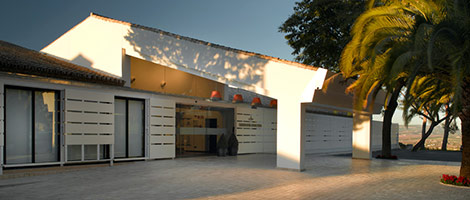
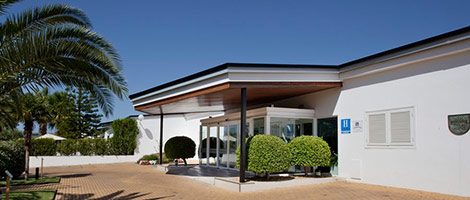
No. The region includes monasteries, a citadel, a castle and a palace, but also modern and regional-style properties chosen for city access, coastal settings, golf or landscapes.
Spring and autumn are especially comfortable for routes with several inland cities. Summer can be very hot away from the coast, so coastal or higher-elevation stays may fit the season better.
Browse curated multi-Parador itineraries or return to the map to see what lies beyond the regional boundary.