Mediterranean coast
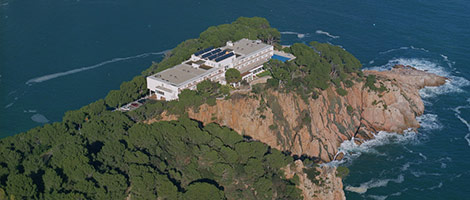
Aiguablava is the clearest coast-led stay in the region, giving the Atlas a very different Catalonia experience from the inland castles and mountain properties.

Mediterranean coast, medieval strongholds and Pyrenean approaches.
Catalonia stretches from the Costa Brava to the Pyrenees, giving Parador travelers an unusually broad mix of coast, mountain valleys and historic inland towns.
Catalonia’s Paradores cover an unusually wide range of landscapes: the Costa Brava, central hill country, historic inland cities and the high Pyrenees. The best itineraries usually connect two or three of those environments rather than trying to make every property part of the same trip.
Aiguablava is the clearest coast-led stay in the region, giving the Atlas a very different Catalonia experience from the inland castles and mountain properties.
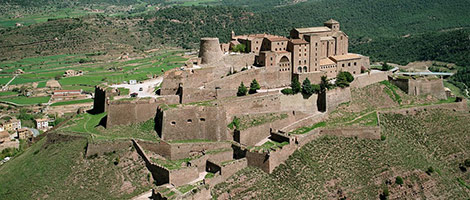
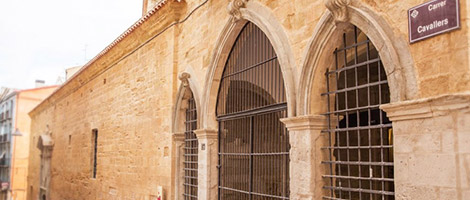
Cardona and Tortosa bring fortress settings into the route, while Lleida adds a historic urban stop that works well as a bridge between southern and northern Catalonia.
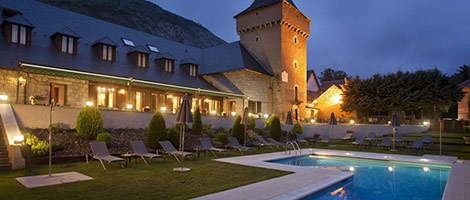
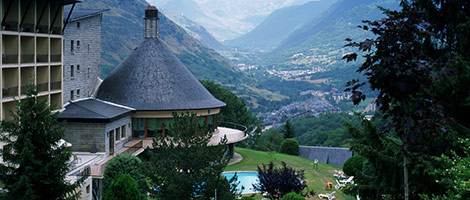
La Seu d’Urgell, Arties and Vielha are the core mountain choices, useful for travelers who want the Pyrenees to be more than a day trip.
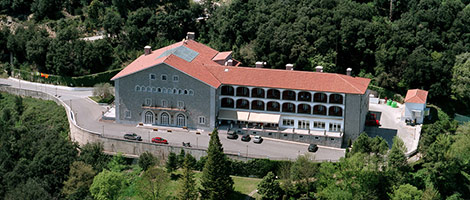
Vic-Sau works particularly well when the itinerary needs open scenery and breathing room between Barcelona-area travel, the interior and the Pyrenees.
Catalonia is less about finding one “best” Parador and more about choosing the landscape you want around it. Coast, castle, city and mountain stays all lead to very different trips.
Aiguablava is the natural choice when the Costa Brava, sea views and a coastal rhythm are more important than adding another historic city to the itinerary.
Cardona is the standout historic fortress stay in Catalonia, while Tortosa gives you a second castle-led option farther south near the lower Ebro.
La Seu d’Urgell is a practical eastern Pyrenean base, while Arties and Vielha place you deeper in the Val d’Aran for a more mountain-focused stay.
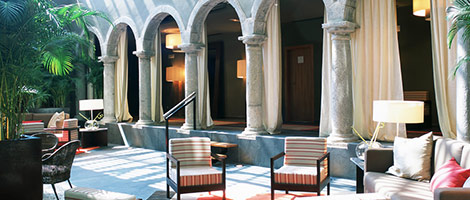
Vic-Sau and Lleida are useful when you want to connect landscapes and cities without making the trip exclusively about the coast or high mountains.
Because Catalonia changes quickly from coast to interior to high mountains, route planning is most satisfying when each move creates a noticeably different setting.
A compact progression from the Mediterranean through the interior toward one of Catalonia’s strongest historic fortress stays.
A northbound mountain route that gradually leaves central Catalonia behind and finishes in the Val d’Aran.
A useful route for travelers arriving from Valencia or the lower Mediterranean coast, moving through the Ebro corridor toward central Catalonia.
A focused mountain journey for travelers who want to spend more of the trip in the Pyrenees rather than using the mountains as a brief detour.
Use the interactive map to compare each stop geographically, then open individual Parador pages for nearby properties and Booking.com availability.
Paradores Atlas currently lists 8 Paradores in Catalonia, ranging from the Costa Brava to castle towns, inland cities and the Pyrenees.
Aiguablava is the strongest coast-led choice, Cardona is the obvious castle stay, and La Seu d’Urgell, Arties or Vielha make sense when the Pyrenees are central to the trip.
Yes, but it is better treated as a multi-stop journey than a quick loop. Aiguablava, Vic-Sau or Cardona can create a useful transition between the Mediterranean and the mountain properties.
Cardona is the clearest first choice for travelers specifically seeking a fortress setting. Tortosa provides another castle-led stay farther south in the region.
Spring and autumn are comfortable for mixed coast-and-interior routes. Summer suits the coast and higher mountains, while winter can be appealing in the Pyrenees but requires more attention to mountain weather and driving conditions.
Browse curated multi-Parador itineraries or return to the map to see what lies beyond the regional boundary.