Camino & Santiago
Santiago de Compostela is the obvious focal point, while Tui and Pontevedra fit naturally into journeys shaped by pilgrimage routes, historic centers and slower travel on foot or by car.

Atlantic coast, granite towns, monasteries and the landscapes of the Camino de Santiago.
Galicia has one of Spain’s deepest Parador networks. Santiago de Compostela is the natural focal point, with routes extending toward the Rías Baixas, Costa da Morte, inland monasteries and the northern coast.
Galicia has enough Paradores to support several very different trips. Santiago may be the natural anchor, but the strongest routes often combine only one part of the region at a time — the Rías Baixas, the Camino corridor, the Ribeira Sacra and southern interior, or the more exposed Atlantic and northern coast.
Santiago de Compostela is the obvious focal point, while Tui and Pontevedra fit naturally into journeys shaped by pilgrimage routes, historic centers and slower travel on foot or by car.
Baiona, Cambados and Pontevedra bring together estuaries, coastal towns, seafood country and some of Galicia’s easiest Parador-to-Parador driving.
Santo Estevo and Monforte de Lemos open the door to the Ribeira Sacra, while Verín and Monterrei shift the journey toward Galicia’s quieter southeastern interior.
Costa da Morte, Ferrol, Vilalba and Ribadeo suit travelers who want a less obvious Galicia of open coast, northern towns and longer scenic transitions.
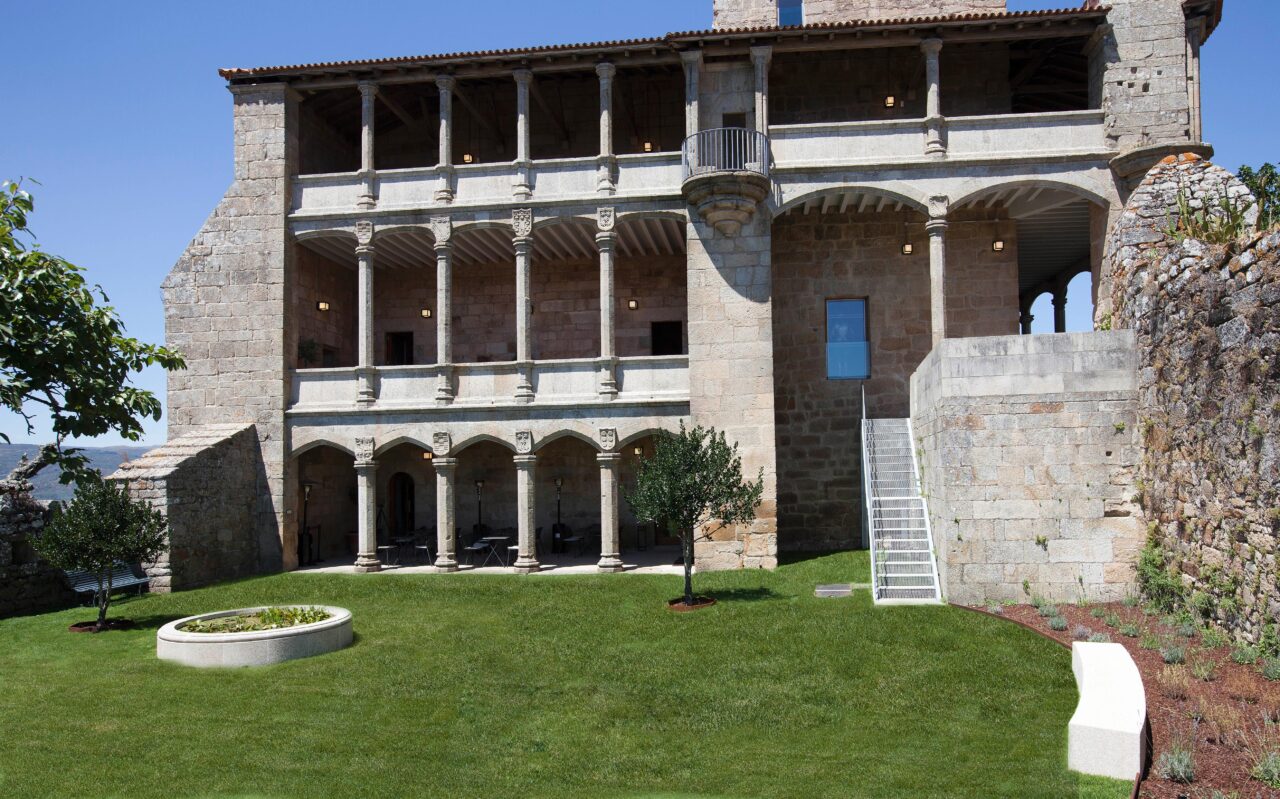
Located on top of the largest acropolis in Galicia
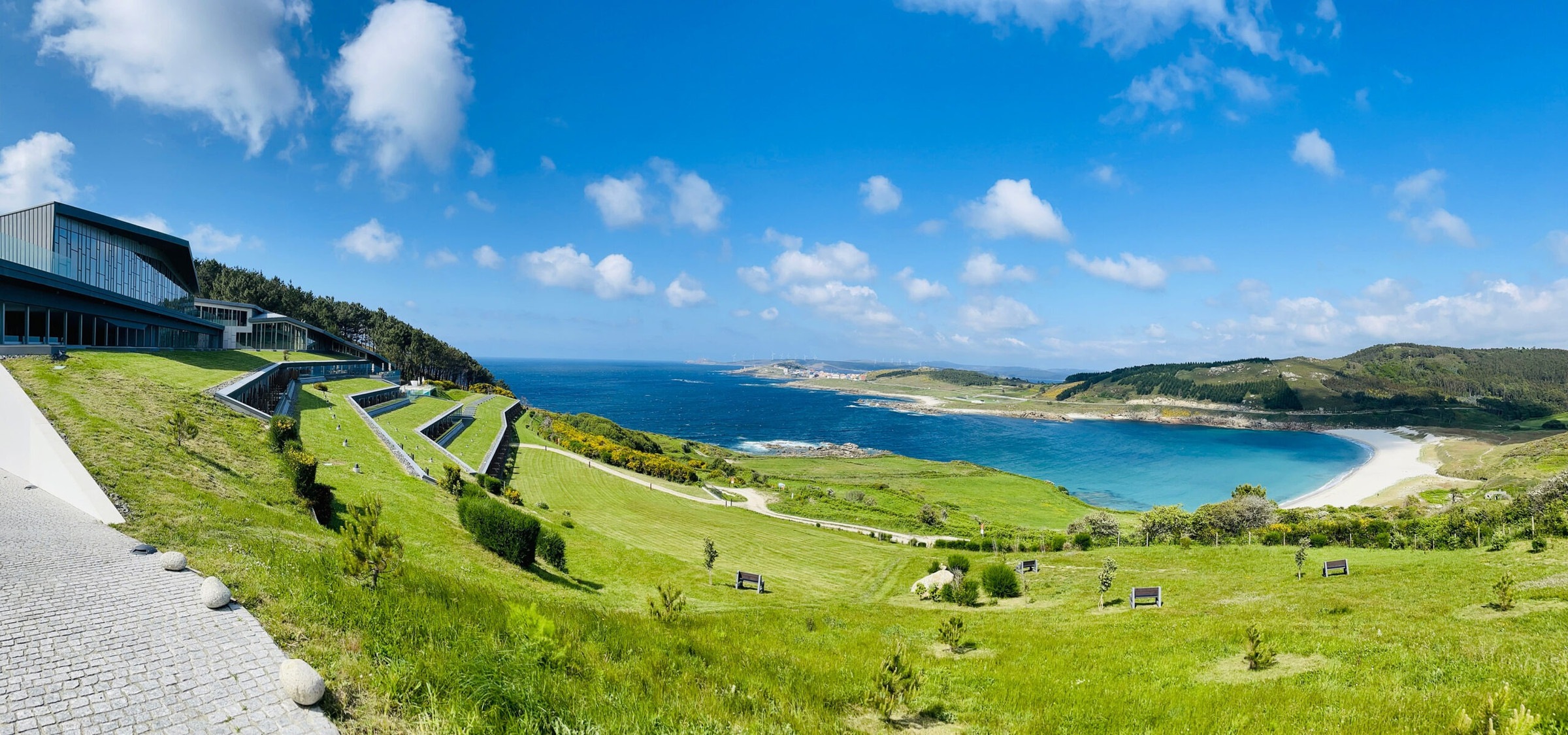
Contemporary architecture adapted to the natural slope with breathtaking sea views
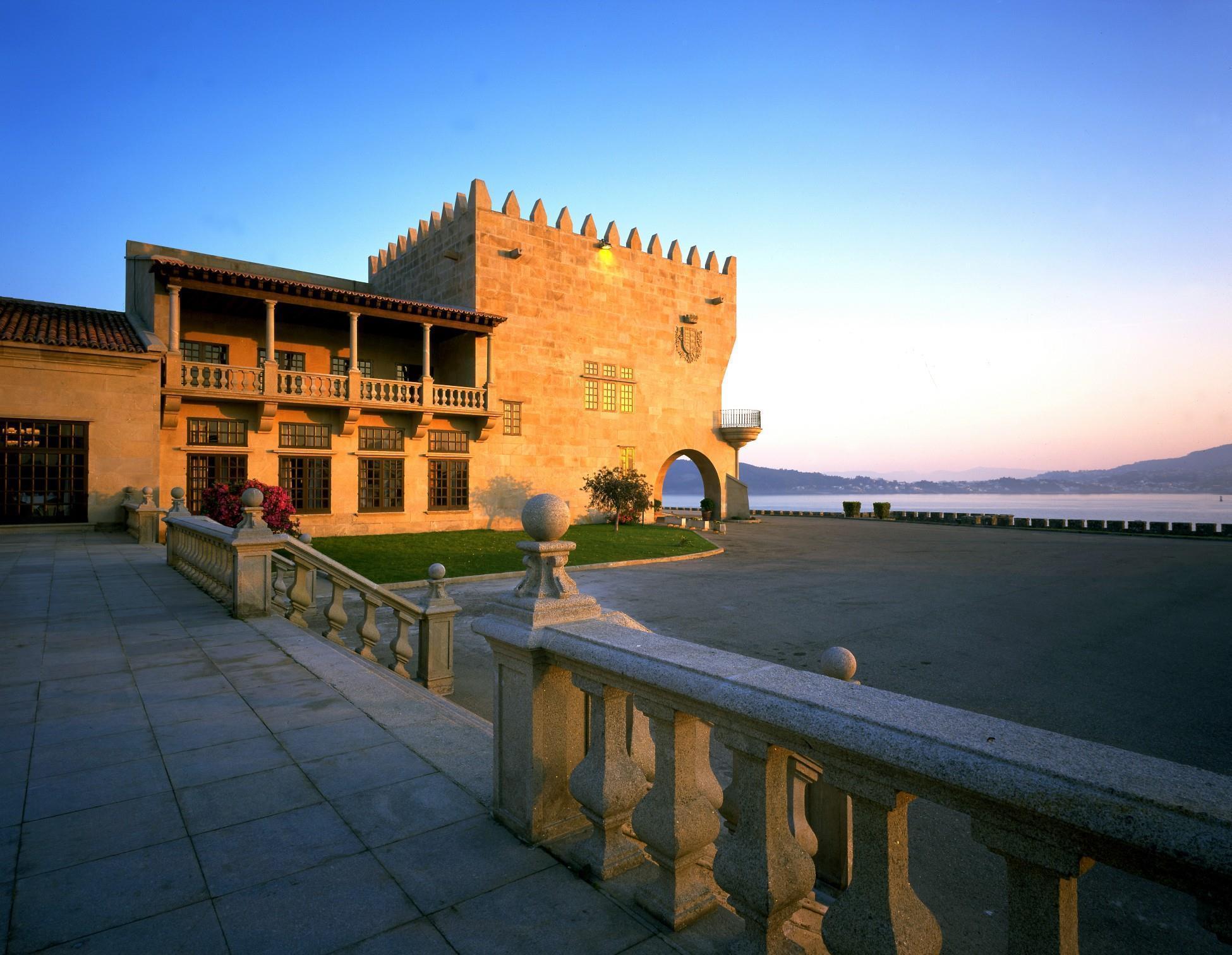
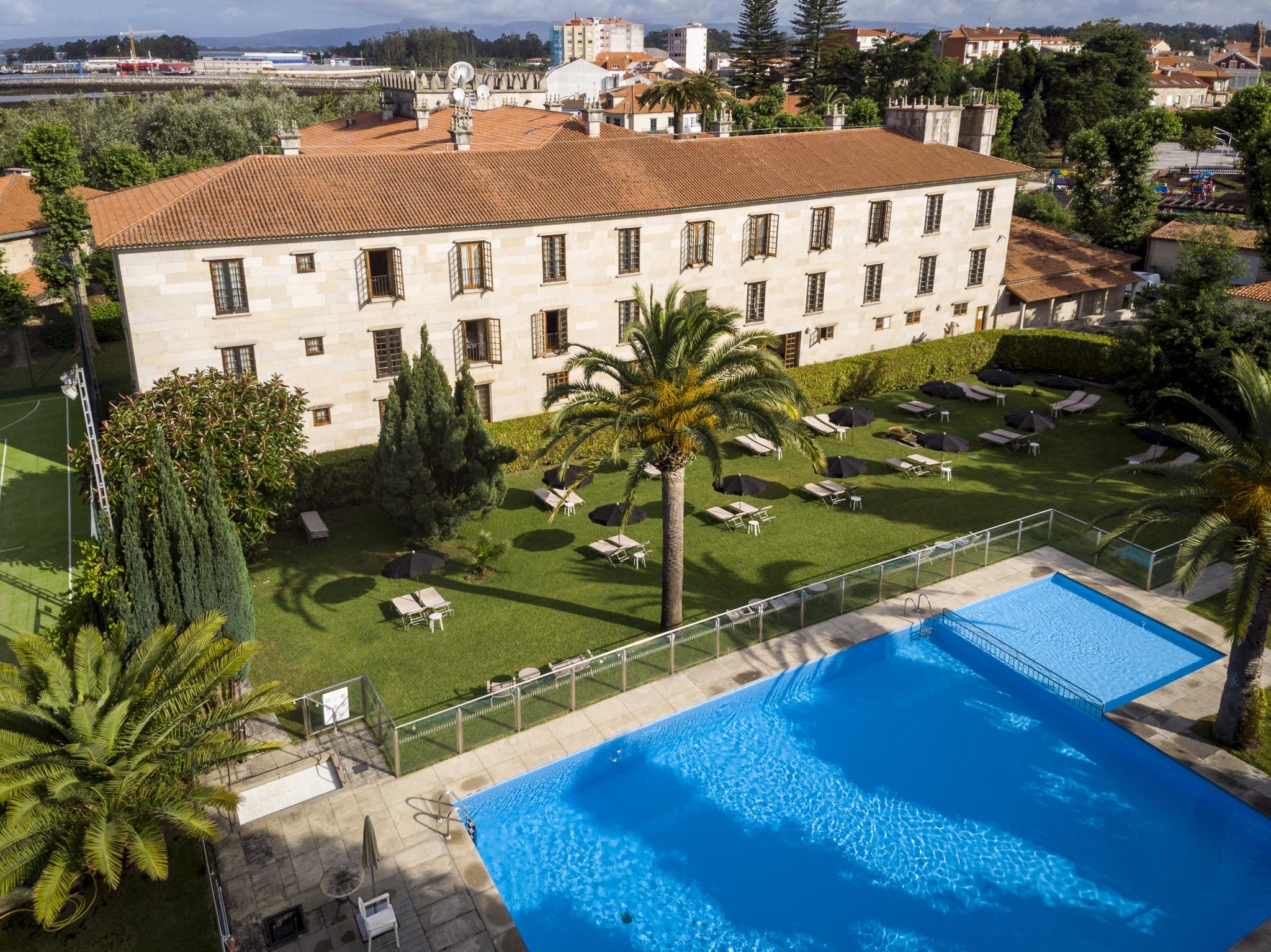
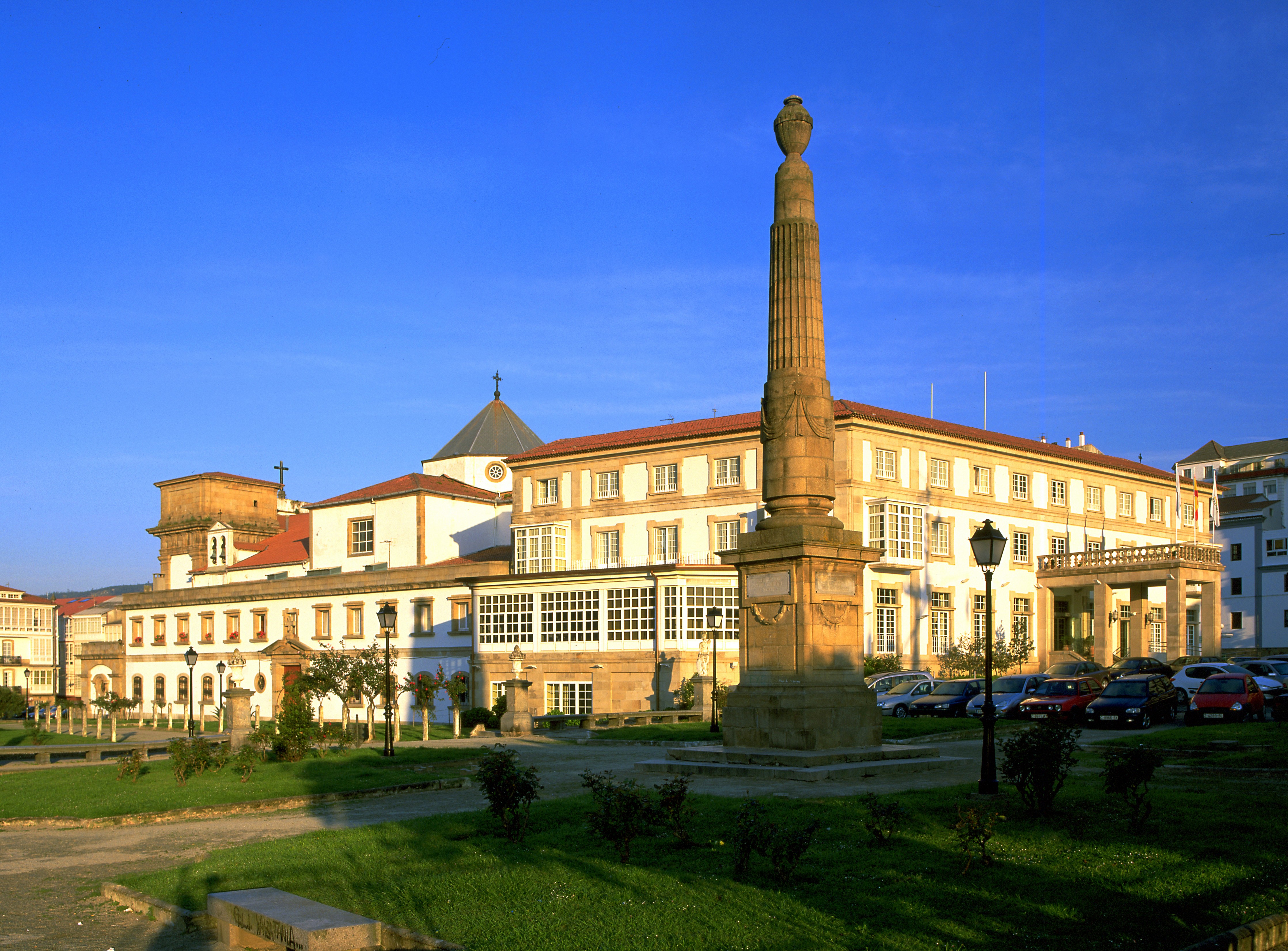
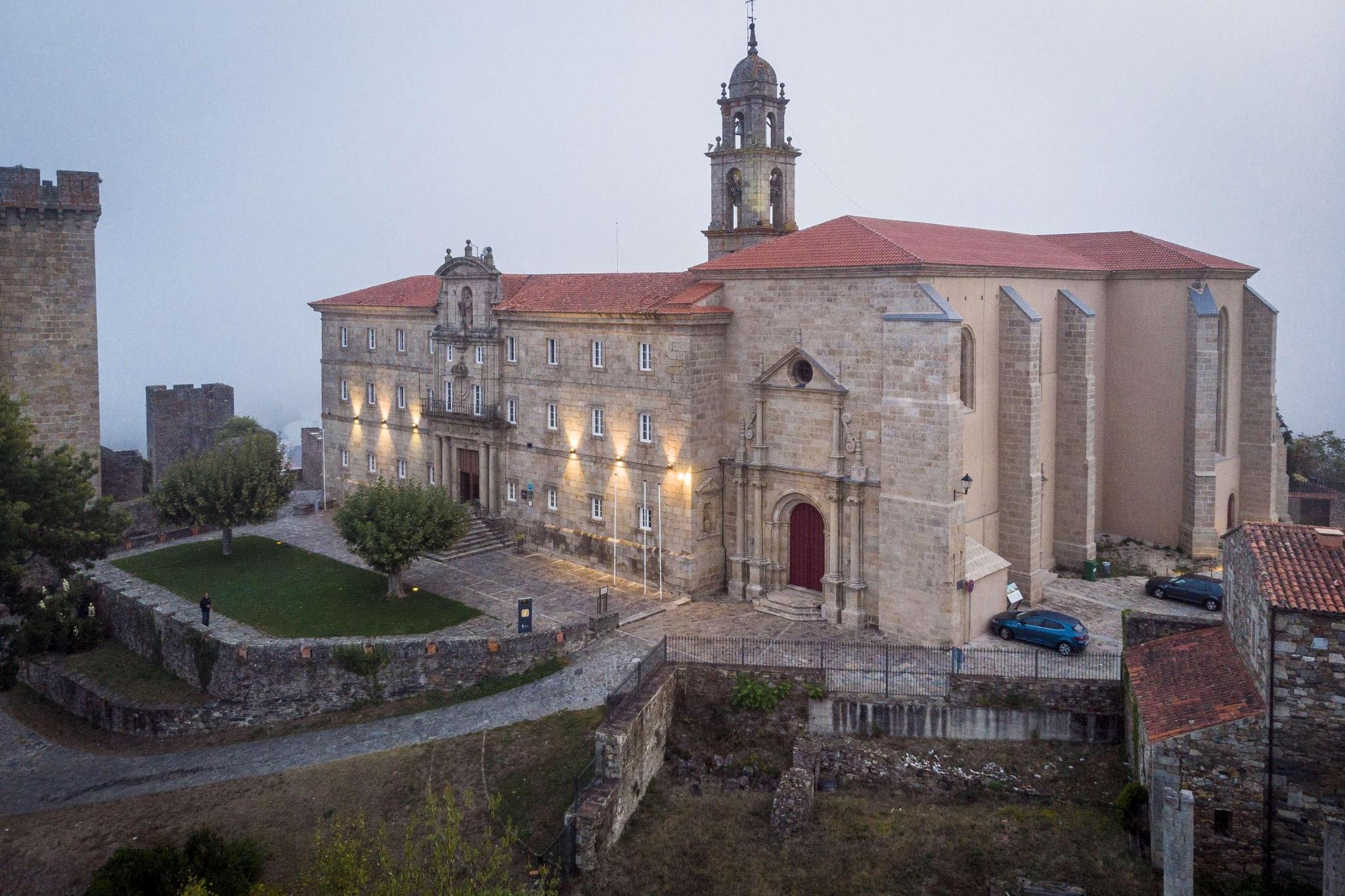
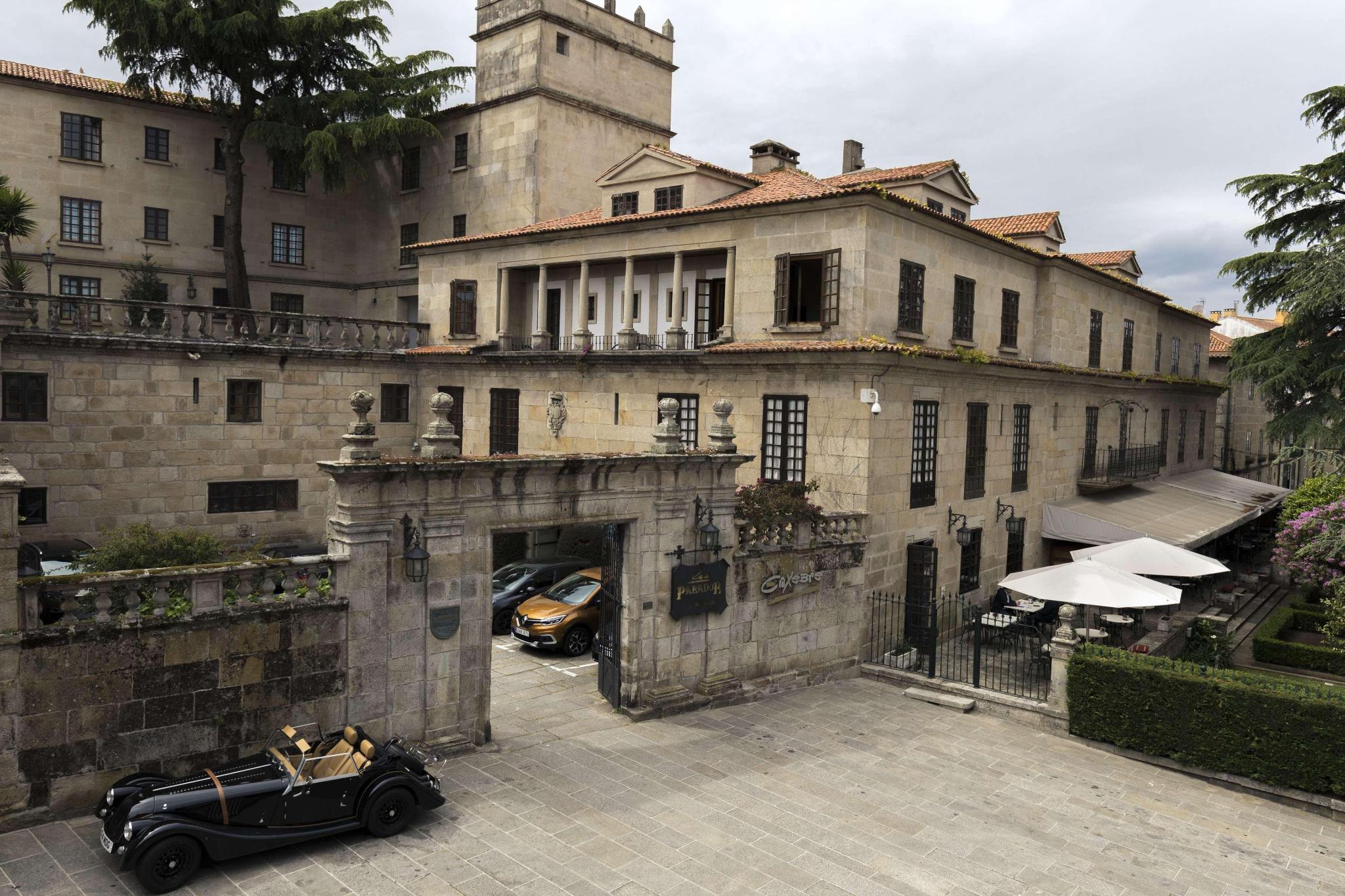
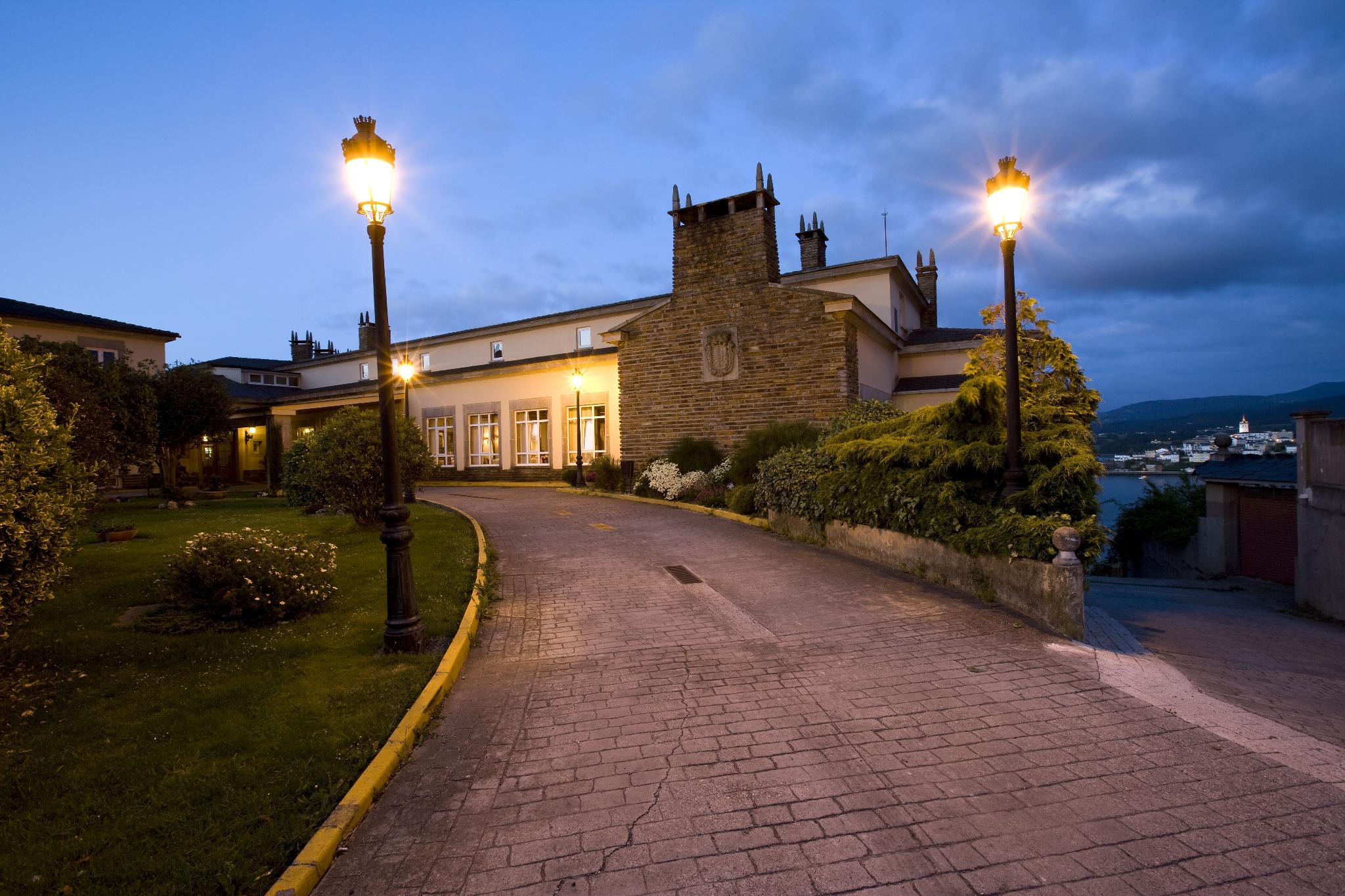
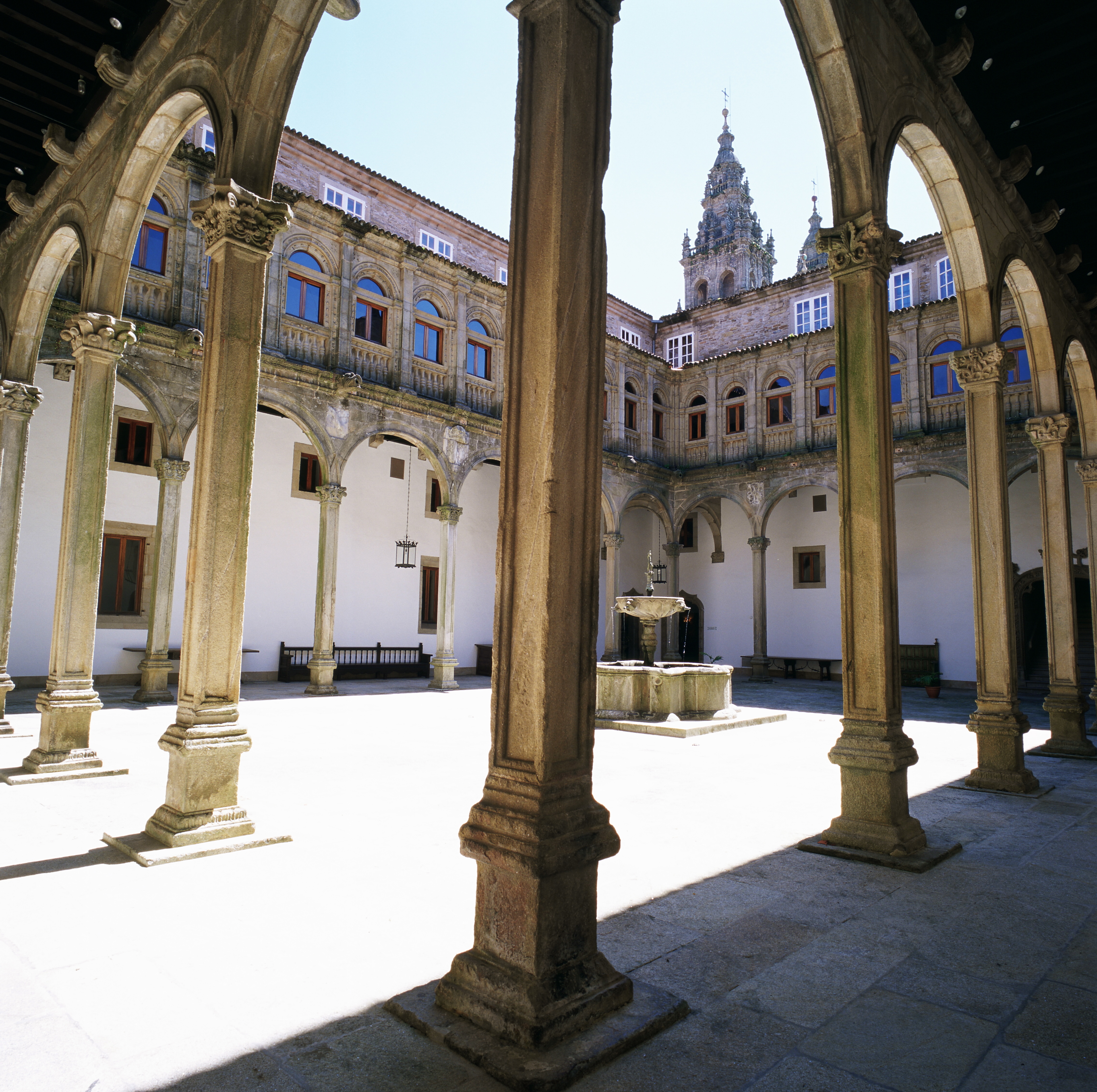
Royal Hospital, late 15th century pilgrim's hostel
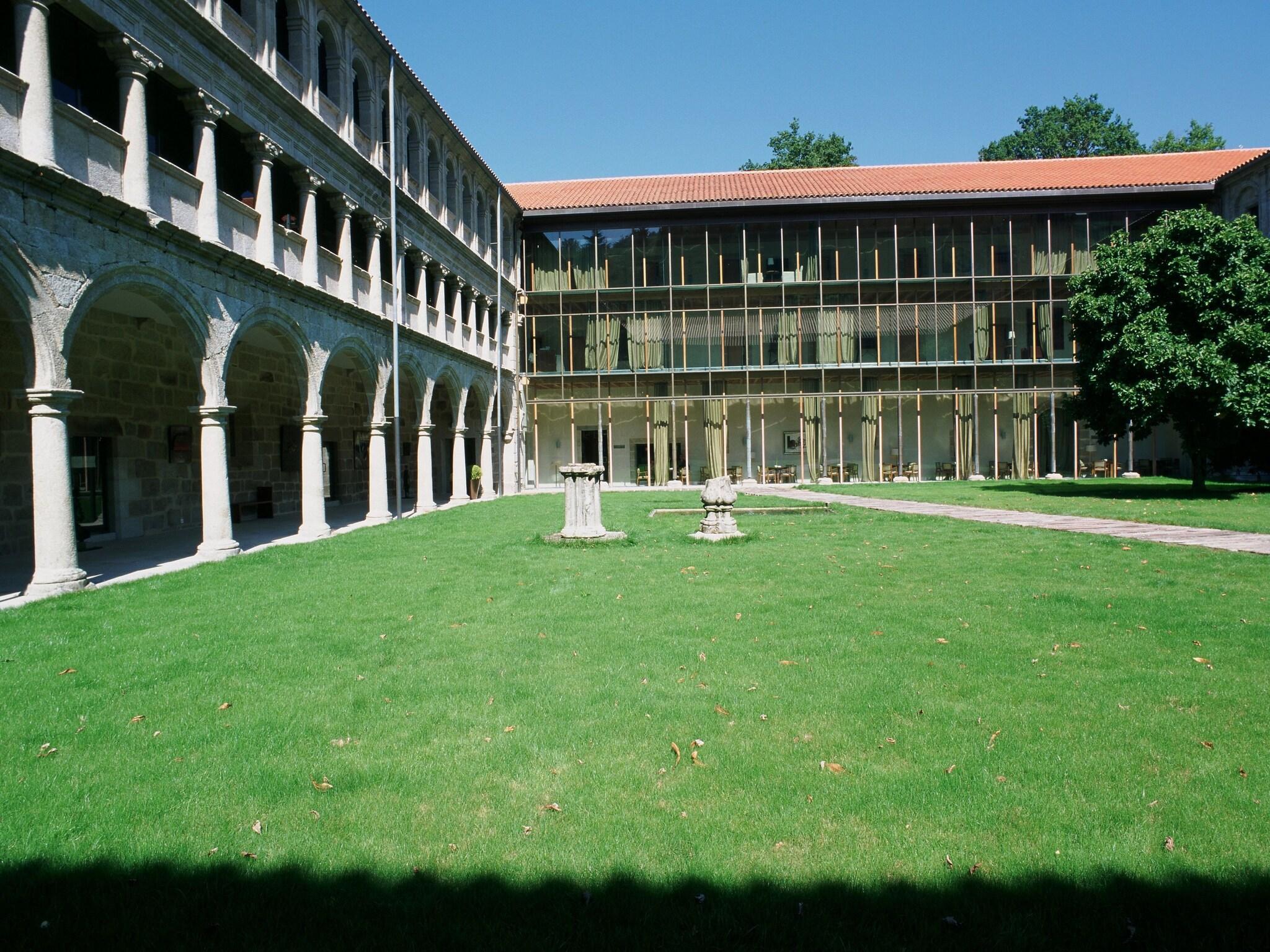
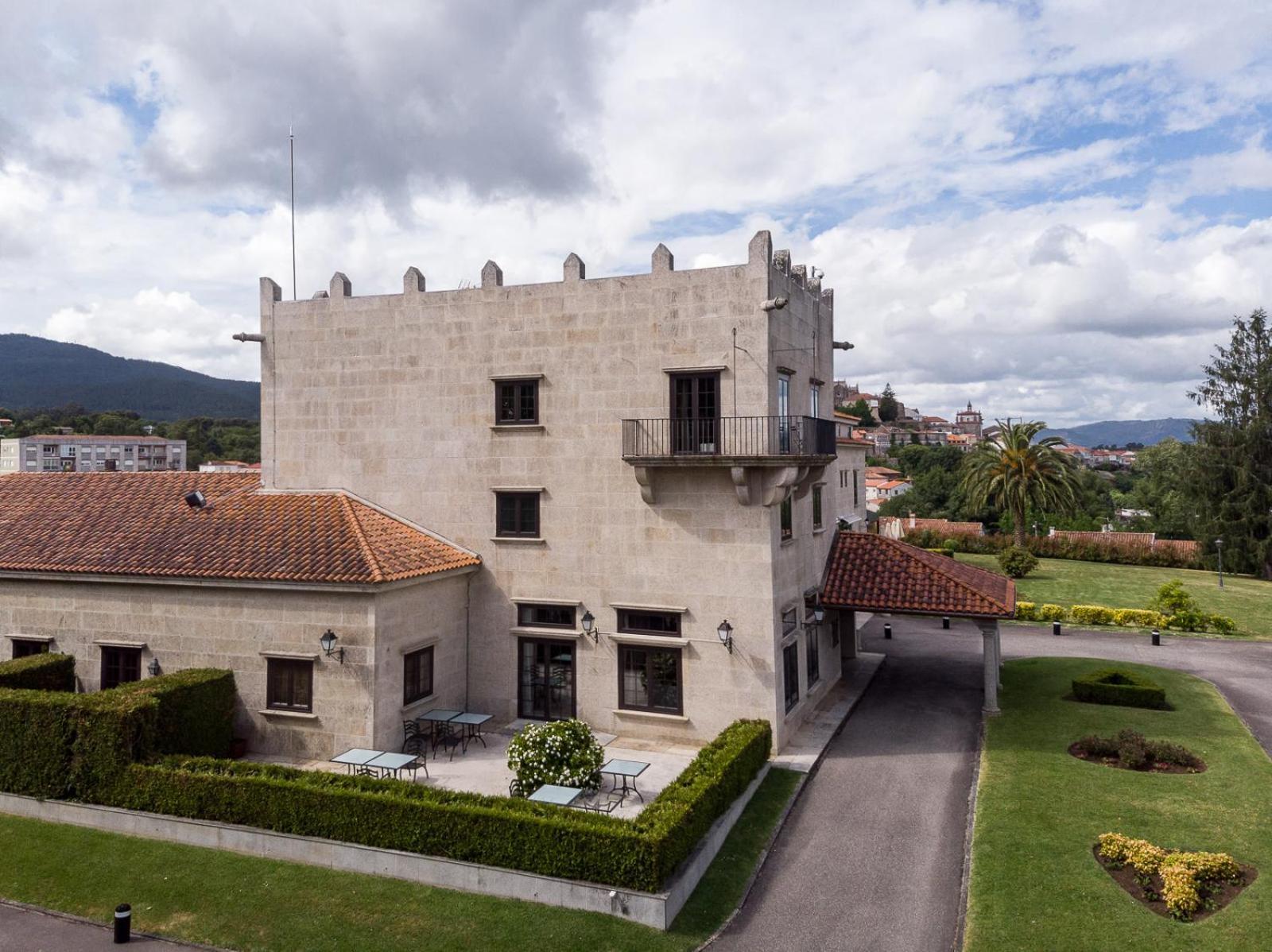
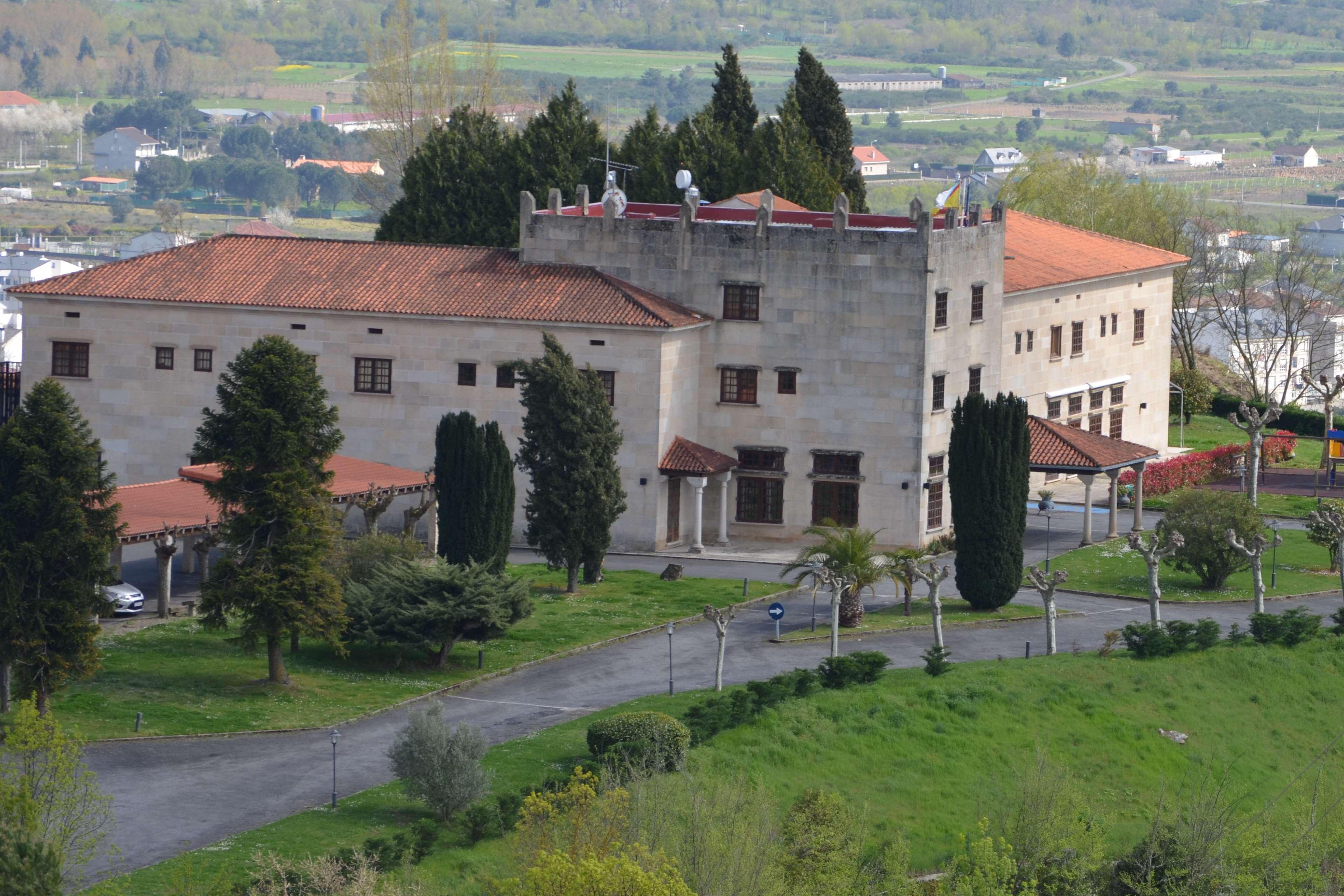
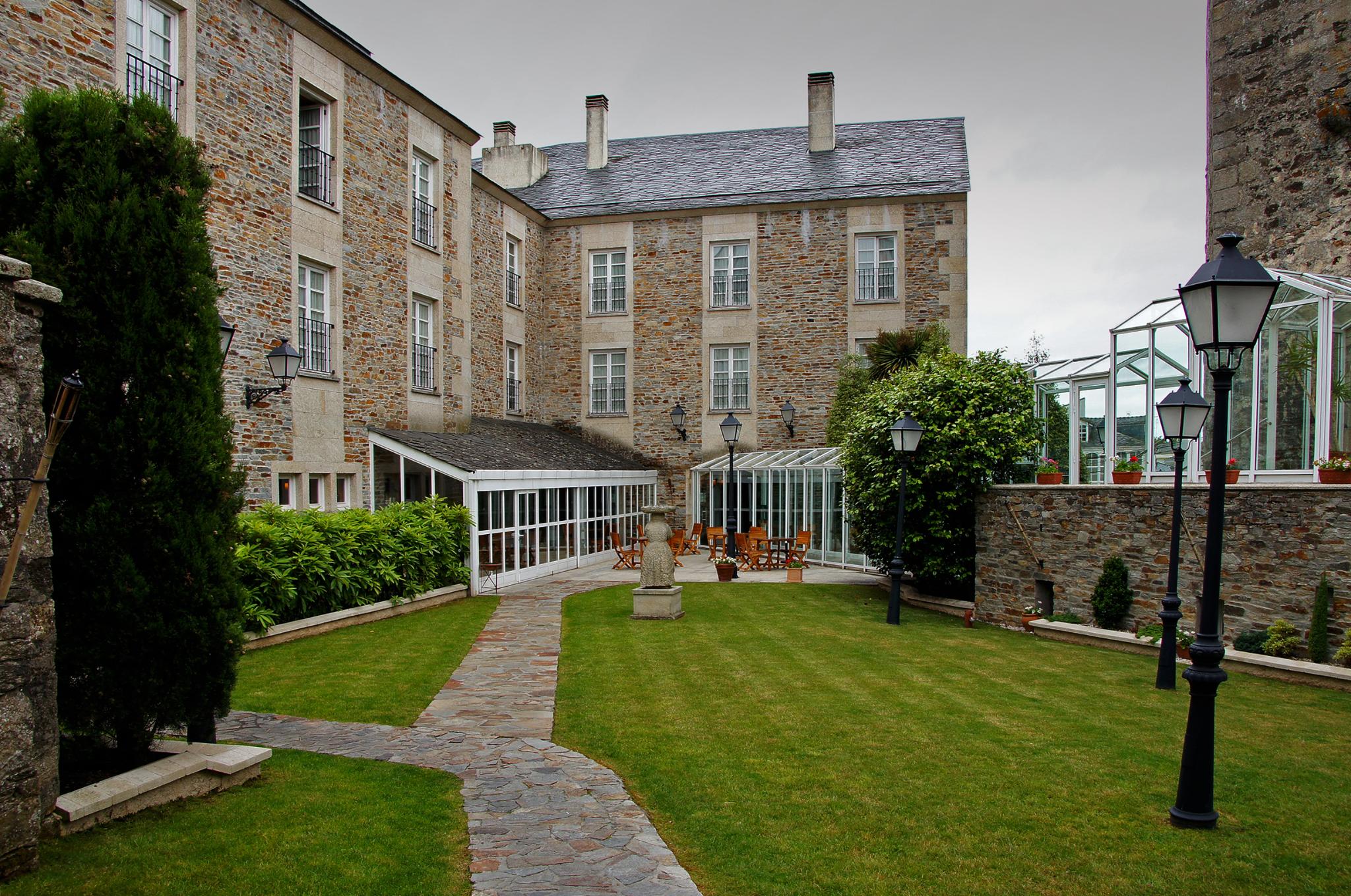
Galicia’s Paradores range from one of the most famous historic stays in Spain to coastal bases and quiet inland properties. Choosing by geography is usually more useful than trying to rank them against one another.
Santiago’s Hostal dos Reis Católicos is the natural first choice when the building and its setting on the Praza do Obradoiro are central to the experience. Santo Estevo offers a very different landmark stay in a monastic setting in the Ribeira Sacra.
Baiona is a strong choice for the southern coast, Costa da Morte for a more exposed Atlantic landscape, and Ribadeo for travelers continuing along Galicia’s northern edge.
Baiona, Pontevedra and Cambados combine especially well when food, estuaries, historic centers and shorter drives matter more than covering a large part of the region.
Monforte de Lemos, Vilalba, Verín and Castillo de Monterrei work well when you want Galicia beyond the best-known coastal and Camino stops.
Galicia rewards slower routing. These ideas are starting points rather than fixed itineraries; leave room for coastal detours, wine country, walking and weather.
A south-to-north route through the lower Miño and Rías Baixas before finishing in Santiago, with manageable distances and plenty of reasons to linger between Paradores.
A more inland Galicia built around river valleys, historic towns and the southeastern frontier rather than the region’s best-known Atlantic destinations.
A broader coastal journey that moves from Santiago toward Galicia’s exposed western shoreline and then across the north, better suited to travelers comfortable with longer scenic drives.
A quieter northern arc that mixes the coast with inland Galicia and finishes in the region’s historic capital.
Use the interactive map to compare each stop geographically, then open individual Parador pages for nearby properties and room availability.
Paradores Atlas currently lists 13 Paradores in Galicia, giving the region one of the deepest Parador networks in Spain.
Santiago is the clearest first choice for a landmark historic stay. Baiona works especially well for the Rías Baixas and coast, while Santo Estevo is compelling for travelers building a Ribeira Sacra or inland Galicia route.
Yes. Santiago is the natural endpoint, and Tui, Pontevedra and other Galicia stops can work before or after Camino walking depending on the route and how much driving you want to add.
Baiona, Costa da Morte and Ribadeo are the clearest coast-led choices, with Ferrol also useful for exploring Galicia’s northern Atlantic side.
Late spring through early autumn generally gives the longest days for coastal and self-drive travel. Galicia is greener and wetter than much of Spain, so flexible plans and some allowance for rain are useful in any season.
Browse curated multi-Parador itineraries or return to the map to see what lies beyond the regional boundary.